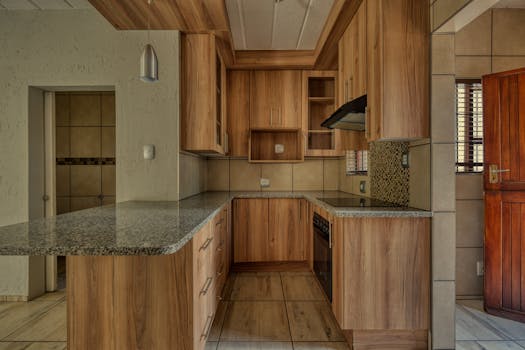
Imagine walking into your home after a long day. The lights gently illuminate your path, your favorite ambient music begins to play softly, and the thermostat has already adjusted to your preferred evening temperature – all without you lifting a finger. It sounds like a scene from a futuristic movie, doesn’t it? Yet, this isn’t science fiction; it’s the promise of a genuinely smart home. But as we increasingly integrate technology into our living spaces, a crucial question emerges: are we actually remodeling for intelligence, or are we simply accumulating a collection of disconnected devices? This is where the distinction between mere automation and thoughtful smart home remodeling truly begins to unfold.
Rethinking the “Smart” in Smart Home Remodeling
We’ve all seen the glossy advertisements and heard the buzzwords: voice-activated lights, Wi-Fi-connected refrigerators, and security cameras that stream live feeds to our phones. These are undeniably impressive feats of engineering. However, when embarking on smart home remodeling, it’s vital to ask: what problems are we trying to solve? Is the goal simply to show off the latest tech, or is it to genuinely enhance the way we live, save energy, improve security, and increase our overall comfort and convenience?
In my experience, the most successful smart home transformations aren’t about the sheer number of gadgets, but about how seamlessly those gadgets work together to create a cohesive and intuitive living environment. It’s about building a home that anticipates your needs, rather than one that requires constant management.
Beyond the “Wow” Factor: Practical Applications of Smart Tech
Let’s delve into some areas where smart technology, when integrated thoughtfully during a remodel, can make a tangible difference:
#### Enhancing Energy Efficiency: A Smarter Way to Save
One of the most compelling arguments for smart home integration is its potential for significant energy savings. Beyond just setting a thermostat, smart systems can learn your habits and adjust heating, cooling, and lighting accordingly.
Smart Thermostats: These devices go beyond simple scheduling. They can detect occupancy, adjust temperatures based on local weather forecasts, and even learn your preferred settings over time, potentially reducing energy bills by up to 10-15%.
Smart Lighting: Motion sensors and daylight harvesting capabilities mean lights only turn on when needed and at an appropriate brightness. Think about kitchens where lights automatically dim when no one is present, or hallways that light up as you approach.
Smart Plugs and Power Strips: These allow you to remotely control or schedule power to appliances, preventing “phantom load” – the energy consumed by devices when they’re off but still plugged in.
When considering smart home remodeling, looking at energy consumption is a prime opportunity to invest in technology that pays for itself over time. It’s not just about convenience; it’s about responsible living.
#### Fortifying Your Sanctuary: Smart Security and Peace of Mind
The peace of mind that comes with a secure home is invaluable. Smart security systems offer a layered approach to protection, providing more than just an alarm.
Smart Locks: Grant temporary access to guests, receive notifications when doors are opened or closed, and lock your doors remotely. This is particularly useful for families with children or for managing deliveries.
Smart Cameras and Doorbells: Real-time alerts, two-way audio communication, and motion-activated recording provide constant vigilance. Imagine being able to see and speak to a delivery person from your office, ensuring your package is left safely.
Smart Sensors: Water leak detectors, smoke alarms, and carbon monoxide detectors can send immediate alerts to your phone, potentially preventing catastrophic damage or ensuring faster response times in emergencies.
The integration of these elements into your remodel can create a robust, intelligent security network that feels less intrusive and more empowering.
#### Creating Ambiance and Comfort: Tailoring Your Environment
Smart technology can also elevate the everyday experience within your home, making it a more enjoyable and comfortable space to live in.
Automated Blinds and Shades: Schedule them to open with the sunrise to wake you naturally, or close them in the afternoon to keep your home cool.
Whole-Home Audio Systems: Enjoy music or podcasts seamlessly throughout your house, controlled by voice or a simple app.
Smart Kitchen Appliances: While some may seem like novelties, others offer genuine benefits. Think refrigerators that alert you when you’re low on essentials or ovens that can be preheated remotely.
These subtle, yet impactful, integrations can transform a house into a home that truly caters to your lifestyle and preferences. It’s about creating an environment that supports your well-being.
The Importance of a Unified Ecosystem
One of the most significant challenges in smart home remodeling is ensuring that all your devices can communicate effectively. A fragmented system, where you need a different app for every single device, can quickly become frustrating. This is where planning becomes paramount.
When you’re in the early stages of planning your remodel, consider the “ecosystem” you want to build. Will you opt for a Google Home, Amazon Alexa, or Apple HomeKit compatible system? Or perhaps a more advanced hub like Samsung SmartThings or Hubitat for greater customization?
#### Planning for the Future: Scalability and Interoperability
It’s tempting to jump on the latest gadget. However, a more strategic approach involves selecting technologies that are known for their interoperability and that can be expanded upon later.
Invest in a Robust Network: A reliable Wi-Fi network is the backbone of any smart home. Don’t underestimate the importance of good routers and potentially mesh Wi-Fi systems, especially in larger homes.
Choose Compatible Standards: Look for devices that support open standards like Zigbee or Z-Wave, as these are often more interoperable across different brands and platforms.
Consult with Experts: If you’re undertaking a significant remodel, consider working with smart home integrators. They can help design a system that is tailored to your needs, budget, and future aspirations.
This foresight ensures that your smart home remodel isn’t a one-time project, but a foundation for future upgrades and enhancements. It’s about building something that evolves with you.
Navigating the Costs and Considerations
Of course, integrating smart technology adds another layer to remodel budgets. It’s crucial to approach this with a clear understanding of the return on investment, both tangible (energy savings, increased home value) and intangible (convenience, security, comfort).
Prioritize: What are your biggest pain points or desires? Start with those areas.
Phased Approach: You don’t have to do everything at once. You can build your smart home incrementally.
* Research and Compare: Prices for smart devices vary widely. Look for reliable brands with good customer support.
The notion of “smart” living is no longer a luxury reserved for the ultra-wealthy. As technology becomes more accessible and integrated into everyday remodeling, it presents an opportunity to create homes that are not only more functional but also more enjoyable and sustainable.
Wrapping Up: What Does “Smart” Truly Mean for Your Home?
Ultimately, smart home remodeling is about more than just installing new technology. It’s about a philosophical shift in how we view our living spaces – seeing them as dynamic environments that can actively contribute to our well-being, efficiency, and security. The true intelligence lies not in the individual gadgets, but in their harmonious integration, creating a home that works for you, anticipates your needs, and enhances your life in meaningful ways.
As you consider your next home project, ask yourself: are you simply updating your home, or are you truly upgrading your lifestyle?